
Best Studio Monitors 2025: Home Studio Mixing Guide
Studio monitors are the foundation of any accurate mixing and mastering setup. Unlike consumer speakers that flatter music, studio monitors reveal every detail in your mix. We evaluate frequency response accuracy, low-end extension, stereo imaging, self-noise, and value.
- Best Professional 8": Yamaha HS8 (flat response reference, industry standard)
- Best Small Studio: Genelec 8030D (auto-calibration, wide stereo image)
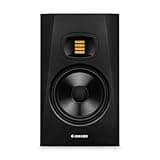
- Best Budget 7": Adam Audio T7V (ribbon tweeter, detailed highs, ~$400/pair)
- Best Entry: KRK Rokit 5 G4 (DSP EQ, app-controlled, beginner-friendly)
- Best Mid-Range: Focal Alpha 50 Evo (extended bass, natural midrange, bi-amplified)
Specs Comparison (per speaker)
| Model | Woofer | Tweeter | Freq. Response | Power | Price/pair |
|---|---|---|---|---|---|
| Yamaha HS8 | 8" | 1" dome | 38Hz–30kHz | 75W+45W | ~$800 |
| Genelec 8030D | 5" | 3/4" metal dome | 54Hz–20kHz | 50W+30W | ~$800 |
| Adam Audio T7V | 7" | A-Ribbon | 39Hz–25kHz | 60W+20W | ~$400 |
| KRK Rokit 5 G4 | 5" | 1" dome | 43Hz–40kHz | 55W | ~$350 |
| Focal Alpha 50 Evo | 5" | 1" aluminum dome | 45Hz–22kHz | 35W+40W | ~$900 |
Detailed Reviews
Yamaha HS8 — The Mixing Reference Standard
The HS8's "NS-10-like" approach prioritizes a flat, uncolored response that exposes problems in mixes. The 8" woofer extends to 38Hz without artificial bass boost — you hear exactly what's in the mix. Professional studios use HS8s as a "reality check" reference: if a mix sounds good on HS8s, it'll translate to any playback system. The room correction controls (High Trim, Low Cut, Mid Dip) help adapt to room acoustics.
- Pros: Industry reference flat response, room correction controls, 38Hz extension, ~$800/pair value
- Cons: Not flattering to listen to (by design), 38Hz bass extension needs room treatment to be accurate
Adam Audio T7V — Best Value Ribbon Tweeter Monitor
The T7V's A-Ribbon tweeter extends to 25kHz with exceptional transient detail and air that dome tweeters can't match. The 7" woofer extends to 39Hz — impressive for the price. At ~$400/pair, the T7V offers ribbon tweeter detail typically found in monitors costing 3× as much. Ideal for home studios producing electronic, pop, or any genre with complex high-frequency content.
- Pros: A-Ribbon tweeter detail, 39Hz extension, ~$400/pair excellent value, precise imaging
- Cons: Slight high-frequency emphasis (some prefer the HS8's flatter response), no room correction
FAQ
Q: How far should studio monitors be from my ears?
A: The standard equilateral triangle position: each monitor is the same distance from each other as from your head, typically 1-1.5 meters. Tweeters should be at ear level. This creates the "sweet spot" for accurate stereo imaging.
Q: Do I need acoustic treatment with studio monitors?
A: Yes — without acoustic treatment, room reflections and resonances color the sound you hear, leading to bad mixing decisions. Even basic absorption panels at primary reflection points significantly improve accuracy. No monitor, regardless of price, can compensate for an untreated room.