



Golf balls may appear identical on the outside, but the internal construction — number of layers, compression rating, cover material — significantly affects feel, spin, distance, and durability. Choosing the wrong ball for your swing speed and game style can cost you both performance and money. This guide cuts through the marketing to help you find the right ball.
Golf Ball Construction: What the Layers Actually Do
| Construction | Layers | Distance | Spin | Feel | Best For |
|---|---|---|---|---|---|
| 2-piece | Core + Cover | Maximum | Low | Firm | High-handicap, distance seekers, beginners |
| 3-piece | Core + Mantle + Cover | High | Medium | Softer | Mid-handicap players wanting feel + distance balance |
| 4-piece | Core + 2 Mantles + Cover | High | High on short game, lower on driver | Soft | Serious amateurs and touring pros |
| 5-piece | Core + 3 Mantles + Cover | Optimized | Spin-layer optimized | Soft | Tour professionals |
Compression: The Swing Speed Factor
Compression measures how much the ball deforms under impact. The right compression for your swing speed maximizes energy transfer and feel:
- Low compression (40-60) — For swing speeds under 85 mph. The ball deforms more easily, helping slower swingers generate distance without losing energy. Examples: Callaway Supersoft, Srixon Soft Feel.
- Mid compression (70-80) — For swing speeds 85-100 mph. Balanced performance for the widest range of golfers. Examples: Titleist Pro V1 (87 compression), TaylorMade TP5.
- High compression (90-110) — For swing speeds 100+ mph. Better players and fast swingers who need a firmer feel for control. Examples: Titleist Pro V1x (100 compression), Bridgestone Tour BX.
Cover Material: Urethane vs Surlyn
The cover material determines spin performance on short game shots:
- Urethane cover — Softer, generates more spin on wedge and chip shots. Allows pros and better players to "stop" the ball on greens, work shots, and control trajectory. Required for short game performance. Higher cost (~¥5,000-7,000/dozen).
- Surlyn/ionomer cover — Firmer, more durable, lower spin on all shots. Less stopping power on greens. Better for beginners as it's more cut-resistant and less expensive (~¥1,500-3,000/dozen).
If you consistently hit greens in regulation and need to control ball flight near the pin, urethane matters. If you're still working on ball-striking and frequently lose balls, the durability and cost of Surlyn makes more sense.
Best Golf Ball Picks
Premium Tour Balls (Urethane Cover)
Titleist Pro V1 — The world's best-selling golf ball and tour standard. Consistent flight, excellent mid-iron spin, tour-level short game control. Pro V1 (mid-high compression) for most swings; Pro V1x (higher compression) for faster swings who want higher launch and more spin.
TaylorMade TP5x — Dual spin system spins more on short game and less on driver compared to Pro V1. Cast urethane cover. High compression for high-speed swingers.
Callaway Chrome Tour X — Merlin cover technology that responds to swing speed to alter spin behavior. Triple track alignment aid for putting.
Premium Mid-Range (Urethane)
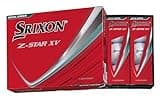
Srixon Z-Star — Tour-quality urethane cover at typically lower price than Pro V1. 338 Speed Dimple pattern. Excellent short game spin. Very strong value for the quality level.
Bridgestone Tour BRX — Gradational compression core with reactive urethane cover. Good spin on approach shots. Bridgestone's ball fitting system is worthwhile if purchasing multiple dozen.
Distance / Mid-Range (Surlyn)
Callaway Supersoft — Ultra-low 35 compression. Soft feel for slower swings. Good distance for high-handicap golfers. Not suitable for players who need short game spin control.
Srixon Soft Feel — Mid-compression Surlyn ball with good feel for the price. Excellent durability. Best value for beginners to mid-handicap players not yet needing urethane performance.
Frequently Asked Questions
Does an average amateur golfer need Pro V1s?
If your handicap is above 15 and you lose 3+ balls per round, starting with Pro V1s is not ideal — the cost of losing premium balls outweighs performance benefits. The short game spin advantage of a urethane ball requires skill and greenside technique to utilize. Once you're consistently hitting greens in regulation and want short game control, moving to urethane balls (Pro V1, Srixon Z-Star, or Callaway Chrome Soft) begins to pay dividends. Until then, a quality Surlyn ball like Srixon Soft Feel provides excellent performance for less.
How do I know if my swing speed needs low or high compression?
Most golfers don't have their swing speed measured. A practical guide: if you hit a driver over 220 yards, try standard compression balls. If under 200 yards from the tee, low-compression balls like Callaway Supersoft or Wilson Duo Soft will help. Some golf shops offer a ball fitting or can measure your swing speed in minutes. For the most data-driven answer, Bridgestone offers a free online ball fitting tool based on swing speed, typical ball flight, and desired performance.
How many rounds do golf balls last?
A quality ball can last 3-5+ rounds under normal play without affecting performance. The biggest killers: cart paths (scuff the cover), trees (dent impact), blade irons (cut Surlyn covers). Urethane covers show cuts from cart paths; Surlyn shows scuffs but is more cut-resistant. Visual inspection is the practical guide: if there are visible cuts, deep scuffs, or noticeable deformation, replace it. For competitive play, some low-handicap golfers change balls every few holes to ensure perfect consistency, but this is not necessary for recreational play.
Do colored golf balls (yellow, orange) perform differently?
No — the color is the dye in the cover only, with no performance difference. Yellow balls have become increasingly popular because they're easier to track in flight and find in rough or shade. The Titleist AVX yellow, Callaway Chrome Soft yellow, and Srixon Q-Star yellow all perform identically to their white counterparts. Many golfers find colored balls reduce lost balls by 20-30%, which is a real cost and pace-of-play benefit.


